How to Ensure Safe Transportation of Orthopedic Implants?

Time:2026-06-01 Author:Liam
0%

Ensuring the safety of orthopedic implants during transportation is crucial in the healthcare sector. Orthopedic implants must arrive sterile and undamaged. A report from the International Journal of Orthopedic Research indicated that 10% of surgical delays result from equipment or implant issues. This alarming statistic underscores the importance of rigorous transport protocols.

Transporting orthopedic implants requires special considerations. Factors such as temperature control and protection against physical damage are vital. A study published in the Journal of Biomedical Engineering highlights that improper handling can lead to material degradation. Healthcare institutions must establish clear guidelines to mitigate these risks effectively.

The significance of adhering to best practices cannot be overstated. The World Health Organization recommends regular training for transport personnel. This ensures that everyone understands the protocols involved. Inspection and tracking processes should also be in place to enhance accountability. By emphasizing these measures, we can effectively address the question: How to ensure the safety of orthopedic implants during transportation?
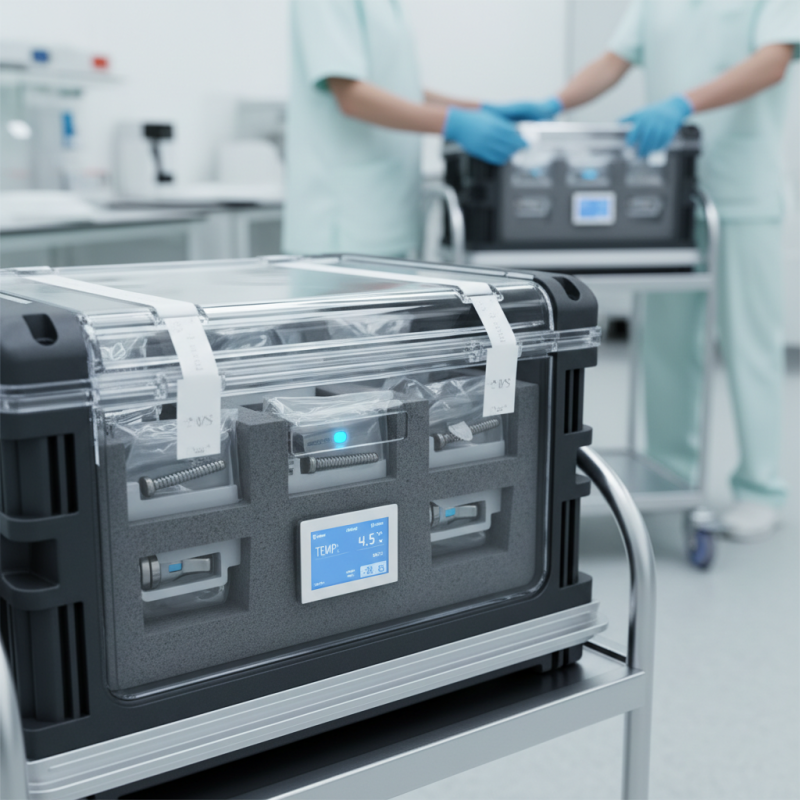
How to Ensure Safe Transportation of Orthopedic Implants?

Understanding the Importance of Safe Transportation for Orthopedic Implants

Safe transportation of orthopedic implants is crucial. Each implant must reach its destination unscathed. Proper handling ensures patient safety and surgical success. Orthopedic devices are delicate and can be expensive. A single mishap can compromise their functionality.

Packaging plays a vital role. It should protect against moisture, temperature changes, and physical shock. Using robust materials helps in safeguarding the implants. Regular checks can help maintain these protective measures. If packaging fails, the consequences can be severe.

Inadequate protection can lead to delayed surgeries or infections.

Education and training for personnel involved in transportation are essential. They need to understand the importance of compliance. Numerous factors must be considered, from stack limits to temperature controls. Some transport methods may not be suitable for certain implants. Mistakes can happen, highlighting the need for ongoing training and communication. Instances of oversight should prompt reviews and updates in protocols.

Each step taken should resonate with the implant's integrity and the patient's health.

Selecting the Right Packaging Materials for Orthopedic Implants

Selecting the right packaging materials for orthopedic implants is crucial for ensuring their integrity during transportation. According to a report from the Orthopedic Implant Manufacturing Association, approximately 30% of implants are damaged due to inadequate packaging. This highlights the need for robust and reliable packaging solutions.

Choosing materials that can withstand environmental factors is essential. For instance, moisture-resistant materials can prevent corrosion of metal implants. Studies show that exposure to humidity can reduce the lifespan of orthopedic devices by up to 40%. Using materials like vacuum-sealed bags or moisture absorbers can effectively mitigate these risks. Additionally, impact-resistant packaging cushions implants against shocks during transit.

However, not all packaging solutions are perfect. Some materials may not provide adequate sterilization, raising concerns about infection rates. A survey conducted among healthcare professionals revealed that nearly 20% have experienced issues with sterility due to inappropriate packaging. It's vital to strike a balance between protection and sterility, ensuring that packaging meets rigorous standards set by regulatory bodies. Adapting to evolving industry standards can also pose challenges, requiring continuous assessment of packaging effectiveness.

Best Practices for Handling During Transportation of Implants

Transportation of orthopedic implants requires careful handling to ensure their integrity and safety. Medical devices like these are often sensitive to environmental conditions. A research study indicates that improper transportation can lead to up to 15% of surgical implants being damaged before use.

One crucial aspect is temperature control. Orthopedic implants should be kept in a temperature range stipulated by manufacturers. Sudden temperature changes can compromise materials like titanium and polymers. Packaging plays a vital role. Using shock-absorbent materials can prevent physical damage during transit.

**Tip:** Always check for transport documentation. It should confirm that the implants have been stored correctly throughout their journey.

Another consideration is cleanliness. Implants must be kept sterile to avoid postoperative complications. A sterile environment should be maintained during transportation. Even minor contamination can lead to serious infections post-surgery.

**Tip:** Regular training for personnel is essential. They should understand the importance of sanitation and handling procedures.

Ultimately, ensuring the safety of orthopedic implants during transportation involves detailed attention to various factors. The consequences of oversight can be significant, affecting patient safety and outcomes.

Best Practices for Handling Orthopedic Implants During Transportation

This chart represents the importance level of various best practices for handling orthopedic implants during transportation, rated on a scale from 1 to 10. Ensuring proper temperature control, shock resistance, and humidity control are vital to maintaining implant integrity.

Monitoring Environmental Conditions During Transportation

When transporting orthopedic implants, monitoring environmental conditions is crucial. These implants are sensitive to temperature and humidity. If conditions are not controlled, the quality of the implants can be compromised. This can lead to serious consequences for patients receiving these devices. Therefore, careful monitoring during transportation is essential.


Using data loggers can help track environmental conditions in real-time. These devices can provide immediate alerts if temperature or humidity levels go outside the acceptable range. Regular maintenance of transportation vehicles is also important. If a vehicle has poor insulation or faulty cooling systems, it may not protect the implants adequately.


There may be instances when conditions deviate from the norm. Logistics staff should be trained to handle these situations. They need to assess whether implants are still safe for use. Continuous training ensures that all staff members understand the importance of environmental monitoring. Attention to detail in these processes can make a significant difference in patient safety.

Implementing Quality Control Measures and Documentation in Transport

Ensuring the safe transportation of orthopedic implants relies heavily on effective quality control measures and meticulous documentation. The orthopedic device industry is projected to grow to $66.6 billion by 2025. However, discrepancies in handling and transporting these devices can lead to significant complications. Studies show that nearly 30% of reported product complaints arise from insufficient packaging and transport protocols.

Quality control should begin at the manufacturing stage. Manufacturers need to establish strict guidelines for storage and handling. Proper labeling is crucial, allowing for easy identification. Transport vehicles should maintain controlled environments to prevent exposure to temperature variations. With approximately 20% of implants failing due to mishandling, consistent monitoring is essential. Documentation should capture chain-of-custody details. This includes transport temperature logs and inspection records.

Audits of transport protocols can reveal vulnerabilities. For example, a recent audit found that 15% of shipment records lacked necessary signatures. Tracking must be transparent and comprehensive. Digital systems can enhance traceability but require regular updates and staff training. Establishing a feedback loop is vital. Collecting data on transport incidents can guide improvements in the future.

FAQS

: Why is safe transportation of orthopedic implants important?

: It ensures implants reach safely, protecting both patients and surgical success.

What role does packaging play in transportation?

Packaging protects implants from moisture, temperature changes, and physical shock.

What can inadequate packaging lead to?

It can cause delayed surgeries or increase the risk of infections.

How can personnel ensure proper handling?

Ongoing training and understanding of compliance are essential for safe transportation.

What risks are associated with moisture during transport?

Exposure to humidity can reduce an implant's lifespan by up to 40%.

What does effective packaging require?

A balance between protection and sterility is necessary for safety.

Why is education important in implant transportation?

It helps personnel avoid mistakes that compromise implant integrity and patient health.

What happens if packing is ineffective?

Increased chances of damage and potential surgical complications may arise.

Can all packaging solutions provide adequate sterilization?

No, some may not protect against infection, highlighting the need for careful selection.

How frequently should packaging methods be assessed?

Continuous evaluation is needed to ensure effectiveness and compliance with new standards.

Conclusion

Ensuring the safety of orthopedic implants during transportation is crucial due to their sensitivity and the need for sterility. To achieve this, understanding the importance of safe transportation is the first step. Selecting appropriate packaging materials that protect the integrity of the implants is essential, along with adhering to best practices for handling them throughout the transportation process.

In addition, monitoring environmental conditions such as temperature and humidity during transit is vital to maintain the implants' quality. Implementing robust quality control measures and thorough documentation can further enhance safety and accountability, ensuring that orthopedic implants arrive at their destination in optimal condition. By following these guidelines, stakeholders can effectively safeguard the integrity of orthopedic implants during their transport.

Liam

Liam

Liam is a dedicated marketing professional with a profound expertise in the industry, where he excels at highlighting the unique advantages of our core products. With a keen understanding of market trends and consumer needs, Liam frequently updates our company’s professional blog, providing......