Orthopedic implants are built to restore movement, reduce pain, and withstand years of loading. Yet durability is never guaranteed. The key question, “What affects the durability of orthopedic implants,” requires more than examining the implant label. It involves materials, fixation, surgical technique, patient biology, activity, and long-term follow-up.
The Australian Orthopaedic Association National Joint Replacement Registry 2025 report shows that revision risk differs by implant design, fixation method, patient age, diagnosis, and procedure type. The National Joint Registry 2024 report similarly demonstrates that survivorship varies across hip and knee systems. These findings challenge the idea of one universal implant lifespan. A ceramic head, titanium stem, or highly cross-linked polyethylene liner can perform differently inside different patients.
Dr. Thomas P. Schmalzried has described the clinical objective clearly: “The goal of total joint replacement is to relieve pain and restore function.” Durability supports that goal, but it does not define success alone. Alignment matters. So does bone quality. So does the patient’s daily routine.
Small details can become large problems. A loose cup may cause groin pain. Excessive wear can create damaging particles. Infection may develop around an apparently stable implant. Body weight, smoking, uncontrolled diabetes, high-impact sports, and missed follow-up appointments can also influence outcomes.
The evidence is strong, but incomplete. Registries track revisions better than silent wear or patient dissatisfaction. That limitation deserves attention. A responsible 2026 review should therefore examine both laboratory performance and real-world survivorship, without treating any single report as the final answer.
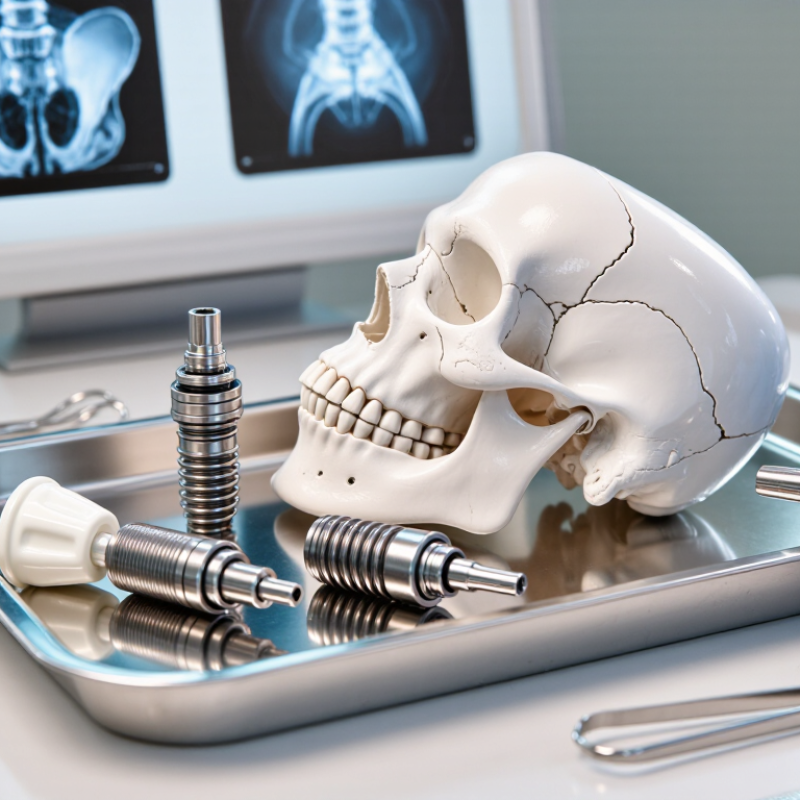
Orthopedic implant durability describes how well an implant maintains strength, position, and function over time. It is more than surviving for many years. A durable implant should support daily movement without excessive wear, loosening, fracture, or painful inflammation. A patient climbing stairs may place different demands on an implant than someone cycling gently. Small differences matter.
Durability depends on implant design, material quality, surgical positioning, bone strength, and activity levels. Accurate alignment helps distribute force across the joint. Poor alignment can concentrate stress at one edge, like pressure on a cracked tile. Bone growth around a fixation surface may improve stability, but healing varies between individuals. Smoking, diabetes, osteoporosis, and repeated high-impact loading can also influence outcomes.
Clinical follow-up remains essential. Surgeons may review pain, walking ability, joint movement, and imaging over time. A ten-year radiograph can reveal subtle migration before symptoms become severe. Still, imaging is not perfect, and discomfort does not always identify one clear cause. This is where judgment becomes difficult. Long-term studies guide decisions, yet every patient brings a different history, anatomy, and lifestyle. Durability should therefore be discussed as a changing clinical expectation, not a guaranteed expiration date.
How Implant Materials and Design Influence Long-Term Performance
Orthopedic implant durability depends on material behavior and design decisions made long before surgery. Titanium alloys offer a lower elastic modulus than cobalt-chromium alloys, which may reduce stress shielding around the bone. However, titanium surfaces can suffer fretting and corrosion at modular junctions. Ceramic bearings resist scratching and reduce wear, while highly cross-linked polyethylene improves resistance to particle generation. These advantages are not absolute. Alignment, lubrication, patient activity, and surgical technique still influence performance.
Registry evidence shows why material selection requires restraint. A Lancet analysis of international joint-replacement registries reported approximately 12.6% revision risk at 20 years for hip replacements and 14.9% for knee replacements. The UK National Joint Registry also links long-term outcomes with fixation method, implant geometry, bearing choice, age, and sex. Cemented and cementless designs can both perform well, but their early risks differ across patient groups. Design matters at the millimeter level. A sharp edge may increase polyethylene wear, while excessive stiffness can transfer less load to surrounding bone. Small details matter.
Laboratory wear testing cannot fully reproduce stairs, uneven ground, obesity, or repeated impact. That is the uncomfortable limitation. Engineers should examine retrieval findings, registry data, and patient-reported outcomes together. Longer follow-up is still needed, especially for newer coatings and modular systems. Durability is not a material label; it is the result of materials, geometry, fixation, biology, and real-world use.
2026 Top Factors Affecting Orthopedic Implant Durability
Surgical technique strongly influences how long an orthopedic implant performs. Accurate bone preparation helps the implant achieve stable contact. Excessive bone removal can weaken support around the fixation area. Gentle handling also protects soft tissue and preserves local blood supply.
Implant position matters just as much. Correct alignment distributes force across the joint instead of concentrating stress on one edge. Even a small angular error may increase wear, instability, or loosening over time. Surgeons assess landmarks, limb balance, component depth, and movement throughout the procedure. Imaging can support these decisions, but it cannot replace careful judgment. No technique is flawless. Patient anatomy may challenge standard positioning, and small compromises sometimes become necessary.
Tips: Use preoperative imaging to identify unusual anatomy. Confirm alignment during surgery, not only afterward. Check joint stability through a realistic range of motion. Keep fixation surfaces clean and dry. Document positioning details for future monitoring. A useful habit is to compare early postoperative images with later studies. This can reveal gradual migration before symptoms become severe. Teams should also review difficult cases openly. That reflection may expose avoidable errors, even when the immediate result appears satisfactory.
How surgical technique and implant position influence estimated revision risk
The chart shows approximate relative-risk multipliers reported across orthopedic literature, using well-positioned implants with adequate fixation as the reference value of 1.0. Malposition, excessive loading, poor fixation, and soft-tissue imbalance can increase wear, instability, loosening, or revision risk.
Evidence basis: registry studies and systematic reviews on total hip and knee arthroplasty. The values are evidence-based approximations rather than patient-specific predictions; actual durability also depends on implant design, patient activity, bone quality, infection prevention, and follow-up duration.
2026 Top Factors Affecting Orthopedic Implant Durability?
Daily loading rarely damages an implant overnight. It accumulates through thousands of steps, stairs, squats, and uneven movements. The Australian Orthopaedic Association National Joint Replacement Registry’s 2024 report links revision risk with younger age, higher activity, and longer exposure time. Body weight also matters. Each extra kilogram can increase knee joint forces during walking, especially on stairs. However, weight alone does not explain every failure. Muscle weakness, poor alignment, bone quality, and implant positioning can interact.
The National Joint Registry’s 21st Annual Report identifies loosening, infection, instability, and fractures among important revision reasons. Wear particles may trigger inflammation around the implant. A patient who returns to heavy lifting too quickly may increase stress at this interface. Yet activity is not automatically harmful. Controlled walking supports strength and function. The difficult part is finding the personal limit, because standard advice can be too general.
Tips: Track pain, swelling, walking distance, and recovery time. Increase loads gradually, not weekly by habit. Choose low-impact conditioning when possible. Discuss persistent symptoms with a qualified orthopedic professional. Do not treat a healthy scan as proof that every movement is safe. I may be too cautious here, but durability depends on real behavior, not laboratory testing alone.
| Factor or Daily Load | How It Affects Durability | Typical Clinical Effect | Evidence-Based Interpretation | Practical Risk-Reduction Measures |
|---|---|---|---|---|
| Patient body weight and obesity | Higher body mass increases joint reaction forces and contact stress. It may also increase the cumulative number of mechanically demanding cycles during everyday movement. | Higher mechanical demand | Obesity is associated with greater risk of implant loosening, instability, revision, and complications in several joint-replacement populations. The effect varies by joint, implant design, alignment, and activity level. | Achieve a healthy weight when medically appropriate, use progressive strengthening, and maintain regular follow-up for symptoms such as increasing pain or instability. |
| High cumulative activity volume | Every step creates a loading cycle. Over years, high cycle counts can increase bearing wear, fatigue damage, and stress at the bone–implant interface. | Dose-dependent wear exposure | Long-term implant performance is influenced by both load magnitude and the number of loading cycles. Low-impact activity is generally more implant-friendly than repetitive high-impact exercise. | Prefer walking, cycling, swimming, and controlled strength training; limit repetitive impact if advised by the treating clinician. |
| Walking and stair use | Hip and knee joint forces commonly exceed body weight during normal walking and rise further during stair climbing, sit-to-stand movements, and inclined walking. | Routine but repeated loading | Approximate joint-force values vary by study and technique. Normal daily activities are usually compatible with modern implants, but repeated loading contributes to lifetime cycle accumulation. | Use handrails when appropriate, improve lower-limb strength, and avoid sudden increases in activity volume. |
| Running, jumping, and contact sports | These activities generate higher peak forces, faster loading rates, and greater impact repetition than level walking. | High peak and impact loading | High-impact activity may increase wear, implant stress, periprosthetic fracture risk, or instability, particularly when combined with poor alignment or reduced bone quality. | Discuss sport-specific restrictions with the surgeon; choose low-impact alternatives and use gradual conditioning. |
| Implant alignment and component positioning | Malalignment can concentrate contact pressure, increase edge loading, alter kinematics, and raise stress at fixation interfaces. | Potentially substantial | Positioning is a major surgical determinant of wear and failure risk. Even a durable bearing can perform poorly if biomechanics are unfavorable. | Use appropriate postoperative imaging and attend follow-up visits when pain, gait changes, clicking, or instability develops. |
| Joint instability or abnormal movement | Instability can cause subluxation, dislocation, impingement, abnormal contact, and accelerated damage to bearing surfaces or soft tissues. | High failure concern | Instability is a recognized cause of revision after joint replacement. Risk depends on anatomy, soft-tissue condition, component position, and activity. | Follow movement precautions during recovery, strengthen supporting muscles, and report recurrent giving-way, dislocation sensations, or sudden changes in function. |
| Bone quality and osteoporosis | Low bone density may reduce initial fixation strength and increase the risk of subsidence, loosening, or fracture around the implant. | Greater fixation vulnerability | Bone quality is especially important for fixation and periprosthetic fracture risk. Its effect is distinct from bearing-surface wear but can shorten overall implant service life. | Evaluate fracture risk when indicated, maintain adequate calcium and vitamin D intake, perform resistance exercise safely, and use prescribed osteoporosis treatment. |
| Muscle weakness and poor neuromuscular control | Weak abductors, quadriceps, or core muscles can alter gait, increase joint loading asymmetry, and reduce stability. | Biomechanical stress amplifier | Reduced strength and balance may increase abnormal loading and fall risk. Rehabilitation improves function, although it cannot correct implant malposition. | Complete individualized physical therapy and continue long-term strength, balance, and mobility exercises. |
| Smoking and nicotine exposure | Nicotine can impair blood flow and bone healing, while smoking is associated with poorer wound healing and increased infection risk. | Indirect durability risk | Smoking affects fixation and complication risk more directly than bearing wear. Poor healing or infection can require revision even when wear is limited. | Stop smoking before surgery when possible and remain tobacco-free during recovery; seek structured cessation support. |
| Infection and chronic inflammation | Infection can damage tissues, compromise fixation, and lead to loosening or implant removal. Inflammatory conditions may also affect bone and soft-tissue stability. | Potentially implant-threatening | Periprosthetic joint infection is a serious cause of early or late implant failure and is not simply a wear problem. | Seek prompt assessment for persistent wound drainage, fever, increasing redness, swelling, or new pain after a period of improvement. |
| Bearing material and lubrication conditions | Material pairing, surface finish, lubrication, and the presence of third-body particles influence friction, wear debris, and corrosion behavior. | Design-dependent | Wear rates differ among bearing combinations and implant designs. Clinical performance also depends on alignment, loading, manufacturing quality, and patient factors. | Maintain scheduled clinical surveillance. New persistent grinding, swelling, or unexplained pain should be evaluated rather than attributed to normal aging. |
| Age and expected lifetime cycle count | Younger, more active patients may place more total cycles on an implant over their lifetime, even when each individual load is moderate. | Long-term exposure effect | Age alone does not determine implant life. Activity level, health, implant type, fixation, alignment, and follow-up findings are also important. | Use a sustainable activity pattern, manage modifiable health risks, and continue periodic review according to clinical recommendations. |
| Falls and sudden trauma | A single high-energy event can cause periprosthetic fracture, dislocation, component damage, or failure of fixation without gradual wear being present. | Acute structural risk | Traumatic failure is different from ordinary bearing wear but can substantially reduce implant longevity. | Address fall hazards, review vision and balance, use prescribed walking aids, and obtain urgent evaluation after a significant fall or sudden loss of function. |
Interpretation: Implant longevity is multifactorial. The effects shown are general clinical patterns rather than individual predictions; actual risk depends on the joint, fixation method, implant design, surgical technique, bone quality, health status, and activity profile.
Orthopedic implant durability depends on more than surgical technique. Body weight, activity level, bone quality, alignment, and infection risk all influence long-term performance. Regular follow-up helps clinicians detect subtle changes before discomfort becomes severe. A new limp, clicking sound, warmth, or swelling deserves attention. Do not wait for intense pain.
Imaging provides useful evidence. Periodic X-rays can reveal loosening, migration, fractures, or unusual wear around an implant. Blood tests may help investigate suspected infection, although no single test is perfect. Maintenance also includes strength training, weight management, fall prevention, and careful control of conditions that weaken bone. Patients should follow individualized medical advice, not online exercise plans. Even excellent monitoring cannot predict every failure.
Tips: Keep a clear record of pain, activity, and mobility changes. Attend scheduled reviews, even when the joint feels normal. Ask whether your imaging schedule fits your implant and health history. New tools, including computer-assisted imaging, motion analysis, and sensor-based monitoring, may identify abnormal loading earlier. These technologies support clinical judgment; they do not replace it. Data can be incomplete, and false alarms may cause unnecessary worry. A practical plan combines technology with physical examination, honest reporting, and consistent maintenance.
It means the implant maintains strength, position, and function over time. It should support daily movement without excessive wear, loosening, fracture, or painful inflammation.
No. Durability is not a fixed deadline. Outcomes vary with anatomy, bone strength, surgical positioning, health, and activity levels.
Accurate alignment spreads force across the joint. A small angular error may concentrate stress on one edge, like pressure on a cracked tile.
Careful bone preparation supports stable contact. Excessive bone removal can weaken fixation. Gentle handling may also protect soft tissue and local blood supply.
Yes. Climbing stairs may place different demands on an implant than gentle cycling. Repeated high-impact loading can increase stress over time.
Smoking, diabetes, osteoporosis, and variable healing can affect stability and long-term results. These factors deserve honest discussion before and after surgery.
Clinicians may assess pain, walking ability, joint movement, and imaging. A later radiograph can reveal gradual migration before symptoms become severe.
No. Imaging is useful but imperfect. Discomfort may have more than one cause, and clinical judgment remains necessary.
They can review unusual anatomy before surgery, confirm alignment during surgery, and test stability through realistic movement. Comparing early and later images helps identify changes.
No technique is flawless. Patient anatomy may force small compromises. Reviewing difficult cases openly may reveal errors, even after a satisfactory immediate result.
Orthopedic implant durability refers to an implant’s ability to remain stable, functional, and safe over many years of use. What affects the durability of orthopedic implants includes the choice of material, implant shape, surface characteristics, and overall design. Strong, wear-resistant materials and designs that distribute pressure evenly can reduce damage and improve long-term performance. However, durability also depends heavily on surgical technique and implant positioning. Accurate placement, secure fixation, and proper alignment help limit abnormal stress, loosening, and premature wear.
Patient-related factors are equally important. Body weight, activity level, bone quality, age, health conditions, and adherence to recovery guidance can all influence the loads placed on an implant. Regular follow-up appointments and imaging may identify changes before serious problems develop. Proper rehabilitation, healthy lifestyle habits, and timely clinical evaluation can help extend implant service life. In addition, improvements in monitoring methods, digital planning, and implant technology may support more personalized treatment and better long-term outcomes.
Nipa Orthopedic Implants